|
|
|
|
|
|

We write today with urgency regarding your planned vote on Wednesday, August 14. As ratepayers across Connecticut are currently struggling with significant increases to their electric bills after the recent vote by PURA to advance rate recovery methods through spring 2025, our concern is this action, if taken, would further damage the people of our state and cause significant financial duress.
Supporting the increased adoption of electric vehicles in Connecticut is an admirable goal and seeks to meet the state’s efforts of shifting to zero-carbon, environmentally friendly modes of transportation. However, the timing of this vote couldn’t come at a worse time for both the consumers and ratepayers of our state. The double hit of July 2024 being the hottest July in the state’s history and significant increases to ratepayers’ bills has caused significant turmoil for far too many families in our state. Not only would this vote make that financial strain more challenging to absorb, but it would extend and worsen its timeframe at an inopportune time. August’s weather has provided some relief, but Connecticut experienced heat waves as late as September 7 in 2023, and continued aggressive heat could further press the issue.
Earlier this year, PURA Chair Marissa Gillett argued that the authority should vote to spread the recent increases to consumer bills over a two-year period to reduce their impact on consumers. This was an admirable effort to recognize the countless people relying on our electric utilities, but was unfortunately voted down in favor of a faster schedule that is currently causing sticker shock. Compounding that sticker shock would have further negative consequences for the people of our state, and while the goal at hand is admirable, its long-term impacts could worsen existing pain consumers receive every month when they receive their bills.
Our state’s adoption of electric vehicles has taken on a gradual, methodological approach. We fail to see how changing from that course would be beneficial at a time when people are already experiencing issues. Please delay this vote to a period where Connecticut is more ready to weather it.
Sincerely,
Senate President Pro Tempore Martin Looney 11th Senate District
Senate Majority Leader Bob Duff 25th Senate District

We write today with urgency regarding your planned vote on Wednesday, August 14. As ratepayers across Connecticut are currently struggling with significant increases to their electric bills after the recent vote by PURA to advance rate recovery methods through spring 2025, our concern is this action, if taken, would further damage the people of our state and cause significant financial duress.
Supporting the increased adoption of electric vehicles in Connecticut is an admirable goal and seeks to meet the state’s efforts of shifting to zero-carbon, environmentally friendly modes of transportation. However, the timing of this vote couldn’t come at a worse time for both the consumers and ratepayers of our state. The double hit of July 2024 being the hottest July in the state’s history and significant increases to ratepayers’ bills has caused significant turmoil for far too many families in our state. Not only would this vote make that financial strain more challenging to absorb, but it would extend and worsen its timeframe at an inopportune time. August’s weather has provided some relief, but Connecticut experienced heat waves as late as September 7 in 2023, and continued aggressive heat could further press the issue.
Earlier this year, PURA Chair Marissa Gillett argued that the authority should vote to spread the recent increases to consumer bills over a two-year period to reduce their impact on consumers. This was an admirable effort to recognize the countless people relying on our electric utilities, but was unfortunately voted down in favor of a faster schedule that is currently causing sticker shock. Compounding that sticker shock would have further negative consequences for the people of our state, and while the goal at hand is admirable, its long-term impacts could worsen existing pain consumers receive every month when they receive their bills.
Our state’s adoption of electric vehicles has taken on a gradual, methodological approach. We fail to see how changing from that course would be beneficial at a time when people are already experiencing issues. Please delay this vote to a period where Connecticut is more ready to weather it.
Sincerely,
Senate President Pro Tempore Martin Looney 11th Senate District
Senate Majority Leader Bob Duff 25th Senate District
|
|
|
|
|
|
|
|
|

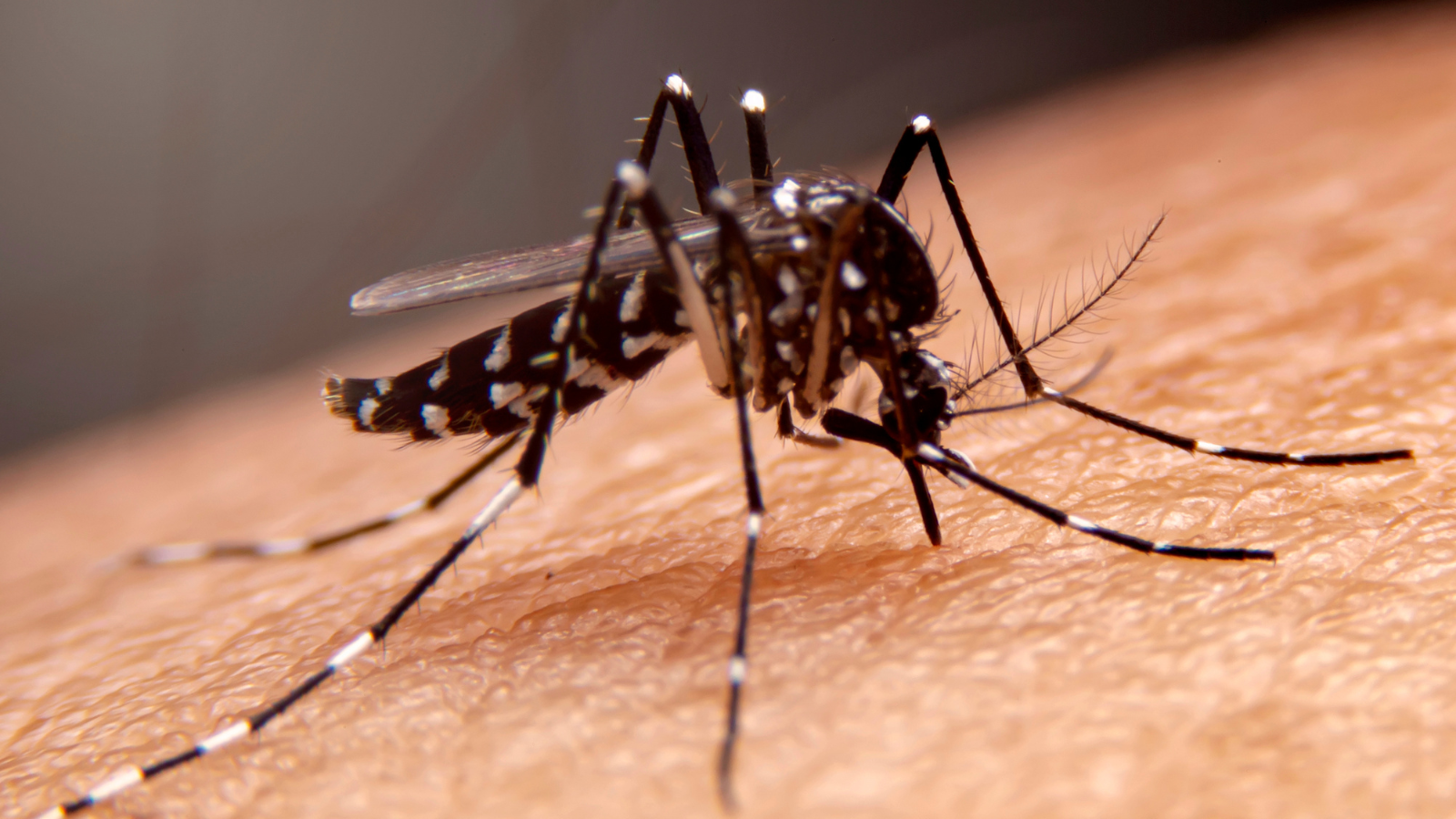
In recent weeks, the news reports have been constant – mosquito-borne illnesses like West Nile virus and Eastern Equine Encephalitis, also known as EEE, have been found in towns and cities around Connecticut. As scientists trap and test the tiny insects, they’ve found West Nile in bugs in more than a dozen places, with EEE’s presence growing as well.
This is not necessarily something new, as West Nile has circulated in Connecticut semi-frequently in past years since its presence was first detected in 2000. As recently as 2019, schools and sports programs adjusted their schedules and put new procedures in place to prevent the potential spread of the viruses when they were tracked in many communities. But this year, West Nile and EEE arrived ahead of schedule – a trend that may have a concerning pattern.
While West Nile usually grows in prevalence around mid-August, with more tracking seen until autumn temperatures kill off mosquito populations statewide, News 12 Connecticut reported this year got an early start for the illness. This year saw the first infections found in early July – that’s up to six weeks ahead of schedule as Fairfield County, where first reports came out of, usually sees the virus grow in prevalence in mid-August. Last year saw cases in mosquitoes grow beginning in mid-July, while first infections in humans (of which there are thankfully none yet this year)
Several studies have linked the increase in tracked cases among mosquitoes with the effects of climate change. This winter’s unusually mild weather with lots of rain, caused by El Nino, contributed to cases – but conditions like those are expected to be more common in future years, and directly correlate with increased mosquito activity. According to the Environmental Protection Agency, climate change can accelerate mosquito development, biting rates and incubation of diseases they carry; mild winters and drought, as well as bird migration and breeding patterns, impact how West Nile spreads.
In fact, the National Oceanic and Atmospheric Administration and US Centers for Disease Control and Prevention found the largest outbreak of West Nile virus were found in the summer and fall of 2021 in Arizona, with more than 1,500 cases tracked. A wetter-than-average monsoon season in the impacted part of Arizona fostered increased mosquito development, dropping three times as much rain as expected in the region, which maintained mosquito breeding sites and possibly led to a massive increase in the regional mosquito population.
While up to 80% of people who contract West Nile virus will never show symptoms, it can cause serious illness and even death for younger, older and vulnerable populations. EEE is even worse, threatening the lives of up to 30% of people who contract it. Being mindful of mosquito presence can help protect against the insects, as can simple precautions – bug spray, long sleeves, pants and shoes, and performing upkeep in your home (fixing screens) and property (getting rid of standing water) all play a role in keeping mosquitoes away and keeping the rest of your summer healthy and fun.
Posted by Joe O’Leary
A new campaign has been launched in Connecticut with the goal of protecting children from the harmful health impacts of lead and creating a lead-free Connecticut. The Lead Free CT campaign, overseen by the Connecticut Department of Public Health, will:
· Make older homes where children or pregnant people live lead safe;
· Collect information on all known lead service water lines in Connecticut;
· Replace lead pipes that bring water to homes, childcare centers, and schools;
· Support families who find lead in their home or water;
· Offer funding to get Connecticut communities lead-free;
· Have all Connecticut children tested for lead;
· Raise awareness of lead testing and safety among parents; and
· Educate communities, contractors, and landlords on lead laws and safety.
On Wednesday, August 7, Governor Lamont, Senator Blumenthal, Congressman Larson, Commissioner Juthani, state Senator Saud Anwar, and officials from the Department of Public Health and Connecticut Children’s joined for the launch of the Lead Free CT campaign. As Senate Chair of the Public Health Committee, Senator Anwar says he knows lead poisoning still has too strong of an impact on far too many children in our state.
“This new initiative will support lead abatement for homeowners to make homes lead-safe, collect information on where there are still lead pipes in our state, and test children for lead to make sure all have the best opportunities to learn and grow,” said Sen. Anwar. ” We owe every child in our state the best chance to grow into the adults leading our next generation and by preventing and fighting lead poisoning, we’ll get that much closer to that goal.”
“Every year, more than 1,000 Connecticut children are impacted by lead,” Governor Lamont said. “Lead poisoning can affect our children by causing health and brain changes that may impact them through school years and beyond – causing behavior problems, poor performance, and a risk of long-term, negative impacts. Based on the data of children tested in Connecticut, where blood lead levels trigger the requirement for environmental testing of the home, lead-based paint and lead dust in pre-1978 homes are the largest contributors to childhood lead exposure in homes.”
A key component of the Lead Free CT campaign includes the launch of a lead abatement program, which is providing homeowners and landlords with the opportunity to make older homes lead-safe by removing lead paint hazards at no cost. Funded by $20 million from the federal American Rescue Plan Act, this limited-time program will help in the safe removal of lead hazards from homes, including family childcare settings. Participation in this program is entirely voluntary and free of charge to homeowners and landlords. The Connecticut Department of Public Health is partnering with the Connecticut Children’s Medical Center to administer the program.
To view eligibility details and apply, visit leadfreect.org.
Posted by Michelle Rappaport
|
||||||||||||||||||
|
Get ready to shop without the additional sales tax! Connecticut’s sales tax-free week on select items will begin on Sunday, August 18 and go through Saturday, August 24. This much-anticipated event where shoppers can enjoy a break from the usual sales tax on certain items lines up with back-to-school shopping. Connecticut shoppers can save on essential goods from clothing to school supplies to electronics to home essentials.
The statewide sales tax is 6.35% for the retail sale, lease, or rental of most goods. During sales tax-free week, certain clothing items or footwear costing less than $100 are exempt from sales tax. All you have to do is show up to your favorite stores. The sales tax holiday applies to both state and out-of-state retailers with stores in Connecticut, so you should not be taxed at any stores in the state. The tax exemption also applies to purchases made online, on the phone or by mail, as long as the customer pays full price during the sales tax-free week.
Sales Tax Free Week promotes consumer spending, supports local businesses, and provides tangible savings to the community. This week provides immediate financial relief by eliminating the sales tax making back-to-school shopping more affordable. It helps families manage their budgets more effectively, especially during times of year when expenses typically increase. Additionally, this event stimulates local economies by boosting retail sales, as shoppers are more likely to spend when they can save on taxes.
For a full list of which items qualify for the sales tax holiday, you can visit the Department of Revenue’s website.
Posted by Michelle Rappaport