Senator Honig Votes to Approve FY ‘27 State Budget with New Education Aid for 8th District Residents

Newsletter Header

Senator Honig Votes to Approve FY ‘27 State Budget with New Education Aid for 8th District Residents

HARTFORD –Senator Paul Honig, D-Harwinton, voted Saturday for changes to the second year of the Connecticut’s Fiscal Year 2026-2027 budget that delivers $190 million more in education aid to municipalities, another $100 million to cities and towns, $300 million for early childcare, and $30 million more for low-income health care – all while remaining balanced and under the state spending cap.

Senate Bill 1 was passed on a 30-6 vote and immediately sent to the House of Representatives for final approval.

Senator Honig voted for and welcomed the second-year budget adjustments, which will result in an additional $4.6 million in education funding for towns across the 8th District including more than $2.7 million in new funding for Torrington alone.

“Towns across the 8th District have been feeling the squeeze from rising costs, and this budget responds directly to that pressure,” Senator Honig said. “Torrington alone is receiving more than $2.7 million in new education funding, which translates to real relief for local taxpayers who have been shouldering more than their fair share. The additional $75 million for HUSKY Health is straightforward math: when families can afford to see a doctor, they stay healthier and out of emergency rooms, and that saves everyone money. Beyond the headline numbers, I’m proud that this budget delivers for communities across the district, from the Warner Theater to the Canton Town Hall elevator to the Simsbury Public Library, because investments like these are exactly what I came to Hartford to fight for.”

Local causes funded by the budget include:

  • Warner Theater – $300,134
  • Brooker Memorial – $100,000
  • Roaring Brook Nature Center – $100,000
  • Canton Economic Development – Bridge Street: repaving, engineering, improving public river access – $200,000
  • Canton Town Hall elevator – $425,000
  • Simsbury Farms Apple Barn renovation – $300,000
  • Simsbury Public Library Teen Space renovation – $350,000
  • Simsbury Eno Hall Upgrades – $150,000
  • Barkhamsted – Old Ranger Station renovation on West River Road – $100,000
  • Colebrook – Water Treatment at Community/Senior Center – $25,000
  • Colebrook Community Center Van – $25,000
  • Avon – sidewalk renovation – $140,000

Major, positive changes in the second year of the adjusted budget include:

  • $152 million in increased aid for local boards of education in the form of an additional ECS grant. This $152 million increase will also be built into the ECS grant in FY 28, which begins on July 1, 2027.
  • $20 million in additional funding to ensure that all school districts receive a minimum of a 2% increase in their ECS grant this year, regardless of student enrollment.
  • $18 million in additional aid for magnet schools, the Open Choice program, charter schools, and vocational-technical schools.
  • $100 million for state grants to cities and towns.
  • A $30 million increase to the state’s HUSKY health care program on top of the $45 million already budgeted, resulting in a total $75 million increase. HUSKY Health provides comprehensive, no-cost or low-cost medical coverage to eligible low-income residents, children, seniors, and people with disabilities.
  • A $300 million transfer of ‘volatile’ state revenue to the Early Childhood Endowment which helps families access child care, supports higher wages for educators, and improves child care facilities.

Senator Rahman Votes to Approve FY ‘27 State Budget with New Education Aid for 4th District Residents

Banner

Senator Rahman Votes to Approve FY ‘27 State Budget with New Education Aid for 4th District Residents

HARTFORD –Senator MD Rahman, D-Manchester, voted Saturday for changes to the second year of the Connecticut’s Fiscal Year 2026-2027 budget that delivers $190 million more in education aid to municipalities, another $100 million to cities and towns, $300 million for early childcare, and $30 million more for low-income health care – all while remaining balanced and under the state spending cap.

Senate Bill 1 was passed on a 30-6 vote and immediately sent to the House of Representatives for final approval.

Senator Rahman voted for and welcomed the second-year budget adjustments, which will result in an additional $5.7 million in education funding for towns across the 4th District. The budget will bring nearly $8.4 million more in town aid to the district.

“This budget sends real money to the people of the 4th District, with $5.7 million more for our schools and nearly $8.4 million more in town aid that will ease pressure on local budgets in Manchester, Glastonbury, Andover, and Bolton,” Senator Rahman said. “It also makes a historic investment in early childhood, expands HUSKY health coverage for families who need it most, and delivers relief to our cities and towns, all while staying balanced and under the spending cap. I’m proud we succeeded in passing a budget that listens to what our communities are actually asking for.”

Local causes funded by the budget include:

  • Pathfinders – $150,000
  • Glastonbury Parks & Rec – $500,000
  • Manchester Senior Center – $150,000
  • Glastonbury Irish American Home – $340,000
  • Town of Bolton – $50,000
  • Manchester Parks & Rec – $1,000,000
  • Bolton Parks & Rec – $250,000

Major, positive changes in the second year of the adjusted budget include:

  • $152 million in increased aid for local boards of education in the form of an additional ECS grant. This $152 million increase will also be built into the ECS grant in FY 28, which begins on July 1, 2027.
  • $20 million in additional funding to ensure that all school districts receive a minimum of a 4% increase in their ECS grant this year, regardless of student enrollment.
  • $18 million in additional aid for magnet schools, the Open Choice program, charter schools, and vocational-technical schools.
  • $100 million for state grants to cities and towns.
  • A $30 million increase to the state’s HUSKY health care program on top of the $45 million already budgeted, resulting in a total $75 million increase. HUSKY Health provides comprehensive, no-cost or low-cost medical coverage to eligible low-income residents, children, seniors, and people with disabilities.
  • A $300 million transfer of ‘volatile’ state revenue to the Early Childhood Endowment which helps families access child care, supports higher wages for educators, and improves child care facilities.

Senator Hochadel Votes to Approve FY ‘27 State Budget with New Education Aid for 13th District Residents

Senator Hochadel

Senator Hochadel Votes to Approve FY ‘27 State Budget with New Education Aid for 13th District Residents

HARTFORD –Senator Jan Hochadel, D-Meriden, voted Saturday for changes to the second year of the Connecticut’s Fiscal Year 2026-2027 budget that delivers $190 million more in education aid to municipalities, another $100 million to cities and towns, $300 million for early childcare, and $30 million more for low-income health care – all while remaining balanced and under the state spending cap.

Senate Bill 1 was passed on a 30-6 vote and immediately sent to the House of Representatives for final approval.

Senator Hochadel voted for and welcomed the second-year budget adjustments, which will result in an additional $11.3 million in education funding for towns across the 13th District. The budget will bring nearly $19.9 million more in town aid to the district.

The budget also funds a legislative priority of Senator Hochadel’s: a new caregiver’s tax credit to help those caring for seniors aging at home. The credit will apply to half of caregiving expenses, up to $2,000, incurred by residents caring for a family member age 55 or older in their home. In order to be eligible, a resident must earn less than $50,000 or $100,000 for households filing jointly.

“This budget delivers much needed relief to the towns I represent, and for Meriden that relief is not abstract,” Senator Hochadel said. “Without this additional funding, we would have been staring down an $8 million education budget hole and considering the possible closure of Thomas Hooker Elementary School along with reductions in the staff our students and families depend on. This budget steps in and delivers, with more than $11 million in new education funding for the district, nearly $19.9 million in additional town aid, and a caregiver tax credit that I have fought for through the Aging Committee, because families should not have to choose between their financial security and keeping a parent or grandparent safely at home. There is so much in this bill to be proud of, and I am grateful that Connecticut is choosing to invest in its people.”

Major, positive changes in the second year of the adjusted budget include:

  • $152 million in increased aid for local boards of education in the form of an additional ECS grant. This $152 million increase will also be built into the ECS grant in FY 28, which begins on July 1, 2027.
  • $20 million in additional funding to ensure that all school districts receive a minimum of a 2% increase in their ECS grant this year, regardless of student enrollment.
  • $18 million in additional aid for magnet schools, the Open Choice program, charter schools, and vocational-technical schools.
  • $100 million for state grants to cities and towns.
  • A $30 million increase to the state’s HUSKY health care program on top of the $45 million already budgeted, resulting in a total $75 million increase. HUSKY Health provides comprehensive, no-cost or low-cost medical coverage to eligible low-income residents, children, seniors, and people with disabilities.
  • A $300 million transfer of ‘volatile’ state revenue to the Early Childhood Endowment which helps families access child care, supports higher wages for educators, and improves child care facilities.

Contact: Hugh McQuaid |
Hugh.McQuaid@cga.ct.gov

SENATOR MAHER APPROVES FY ‘27 STATE BUDGET WITH NEW EDUCATION AID FOR 26TH DISTRICT RESIDENTS

SENATOR MAHER APPROVES FY ‘27 STATE BUDGET WITH NEW EDUCATION AID FOR 26TH DISTRICT RESIDENTS

FOR IMMEDIATE RELEASE

Saturday, May 2, 2026

HARTFORD –State Senator Ceci Maher (D-Wilton) today voted to approve changes to the second year of the Connecticut’s Fiscal Year 2026-2027 budget that deliver $190 million more in education aid to Connecticut’s cities and towns, another $100 million to cities and towns across the state, $300 million for early childcare, and $30 million more for low-income health care  all while remaining balanced and under the state spending cap.

The investment reflects concerns Senate Democrats heard throughout this legislative session from mayors, first selectmen and school boards. When the state funds more of the local bill, cities and towns do not have to pass costs onto property taxpayers. Running municipalities and schools costs more every year, and the burden of that growth falls disproportionately on the local property tax base. The budget provides meaningful relief to communities statewide at a moment when federal actions are creating new uncertainty for local budgets.

Senate Bill 1 was passed on a 30-6 vote and immediately sent to the House of Representatives for final approval.

Sen. Maher voted for and welcomed the second-year budget adjustments, which will result in $3.886 million in new funding for the eight towns and cities in the 26th Senate District, including $1.7 million in new Education Cost Sharing grant funds. That represents increases of 8.29% and 6.83%, respectively.

Total aid includes, in addition to ECS, Town Aid Road funding, Payments in Lieu of Taxes funding, car tax grants, Local Capital Improvements Program grants, special education funding and funding through the Mashantucket-Pequot Fund.

“We’re all struggling in a cost-of-living crisis, and we need to take action to prevent that crisis from further escalating costs for all of us,” said Sen. Maher. “Today, we’re working to provide needed support to our schools and our municipalities, as well as renewing our commitments to health care and child care aid, with the intent of benefitting the residents of our state. I’m grateful for this opportunity to help Connecticut residents in our region and statewide.”

Major, positive changes in the second year of the adjusted budget include:

  • $152 million in increased aid for local boards of education in the form of an additional ECS grant. This $152 million increase will also be built into the ECS grant in FY 28, which begins on July 1, 2027.
  • $20 million in additional funding to ensure all school districts receive a minimum of a 4% increase in their ECS grant this year, regardless of student enrollment.
  • $18 million in additional aid for magnet schools, the Open Choice program, charter schools, and vocational-technical schools.
  • $100 million for state grants to cities and towns.
  • A $30 million increase to the state’s HUSKY health care program on top of the $45 million already budgeted, resulting in a total $75 million increase. HUSKY Health provides comprehensive, no-cost or low-cost medical coverage to eligible low-income residents, children, seniors, and people with disabilities.
  • A $300 million transfer of ‘volatile’ state revenue to the Early Childhood Endowment which helps families access child care, supports higher wages for educators, and improves child care facilities.

###

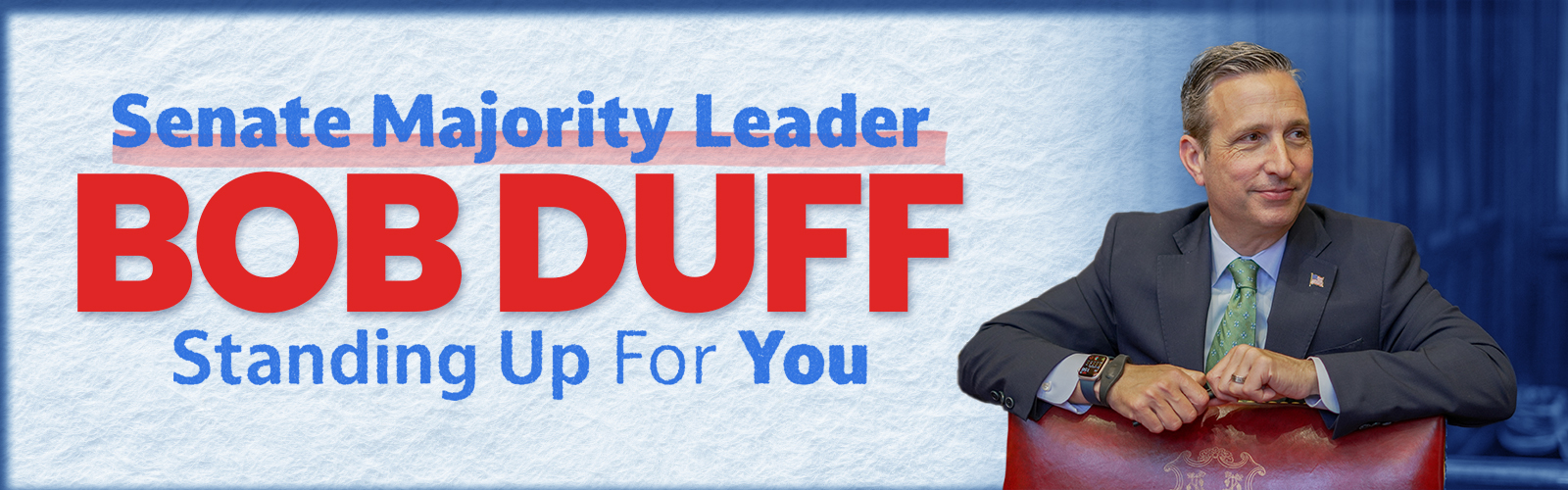
Duff Delivers More Than $41.9 Million in State Funding for Norwalk

Newsletter Header

Senator Duff Delivers More Than $41.9 Million in State Funding for Norwalk

HARTFORD — Senate Majority Leader Bob Duff (D-Norwalk) led passage of changes to the second year of Connecticut’s Fiscal Year 2026-2027 budget that delivers $190 million more in education aid to Connecticut’s cities and towns, another $100 million to cities and towns, $300 million for early childcare, and $30 million more in low-income health care. The changes to the budget, Senate Bill 1, deliver on the priorities of the Senate Democratic Caucus by reducing pressure on local tax burdens and investing in the institutions and organizations that serve Connecticut families.

Locally, Senator Duff secured $41,943,096 in state funding for Norwalk in Fiscal Year 2027, an increase of $3,480,987 over the prior year — including $1,959,389 in new education funding. In addition to the increased state funding, the budget includes targeted investments in the Norwalk area for institutions and community organizations:

  • Human Services Council/Norwalk School Based Health Center — $100,000
  • Mid-Fairfield Child Guidance Center — $618,000
  • The Marvin HVAC Replacement — $130,000
  • Elder House Patio Project — $200,000
  • Black Girls Get Legal Tee — $75,000
  • Norwalk African American Parade and Carnival — $50,000
  • Norwalk High School — Bonding to Address Additional Costs

“Norwalk families have been asking us to continue to make education funding a priority, and this budget does exactly that,” said Senator Duff. “A $3.5 million increase in state funding for our city — with nearly $2 million of that going directly to education — reduces pressure on local property taxpayers and invests in the next generation of Norwalk kids. Our budget priorities here in Connecticut could not be more different than what is happening in Washington, and I am proud to deliver for Norwalk.”

Senate Bill 1 responds directly to an urgent need articulated by municipal leaders across Connecticut: the rising cost of educating the next generation has placed unsustainable pressure on local budgets and property taxpayers. Through S.B. 1, the state is committing to use its resources to reduce the need for towns and cities to raise local property taxes. The bill accomplishes that goal through the following provisions:

  • $152 million for local boards of education in the form of an additional Education Cost Sharing payment, built into the ECS grant in FY28 beginning July 1, 2027
  • $20 million in additional funding to ensure all school districts receive a minimum 4% increase in their ECS grant this year, regardless of student enrollment
  • $18 million in additional aid for magnet schools, the Open Choice program, charter schools, and vocational-technical schools

The new budget also includes:

  • $100 million in state grants to Connecticut cities and towns
  • A $30 million increase to the state’s HUSKY health care program on top of the $45 million already budgeted, for a total $75 million increase — providing comprehensive, no-cost or low-cost coverage to eligible low-income residents, children, seniors, and people with disabilities
  • A $300 million transfer of volatile state revenue to the Early Childhood Endowment, helping families access child care, supporting higher wages for educators, and improving child care facilities
  • A new $5 million tax cut on back-to-school supplies beginning July 1, saving parents money on notebooks, pens, paper, and lunchboxes
  • An increase to Connecticut’s annual Sales Tax Holiday, raising the clothing, footwear, and backpack exemption cap from $100 to $300

SENATOR MARX APPROVES FY ‘27 STATE BUDGET WITH NEW EDUCATION AID FOR 20TH DISTRICT RESIDENTS

Banner

SENATOR MARX APPROVES FY ‘27 STATE BUDGET WITH NEW EDUCATION AID FOR 20TH DISTRICT RESIDENTS

HARTFORD –State Senator Martha Marx (D-New London) today voted to approve changes to the second year of the Connecticut’s Fiscal Year 2026-2027 budget that deliver $190 million more in education aid to Connecticut’s cities and towns, another $100 million to cities and towns across the state, $300 million for early childcare, and $30 million more for low-income health care all while remaining balanced and under the state spending cap.

The investment reflects concerns Senate Democrats heard throughout this legislative session from mayors, first selectmen and school boards. When the state funds more of the local bill, cities and towns do not have to pass costs onto property taxpayers. Running municipalities and schools costs more every year, and the burden of that growth falls disproportionately on the local property tax base. The budget provides meaningful relief to communities statewide at a moment when federal actions are creating new uncertainty for local budgets.

Senate Bill 1 was passed on a 30-6 vote and immediately sent to the House of Representatives for final approval.

Sen. Marx voted for and welcomed the second-year budget adjustments, which will result in $9.764 million in total new funding for the 20th Senate District, including $2.92 million in additional Education Cost Spending grant funds. Those represent increases of 12.1% and 5.24%, respectively.

Total aid includes, in addition to ECS, Town Aid Road funding, Payments in Lieu of Taxes funding, car tax grants, Local Capital Improvements Program grants, special education funding and funding through the Mashantucket-Pequot Fund.

“The cost of everything keeps going up, and that’s impacting our towns, cities and schools just the same as everyone else,” said Sen. Marx. “Today’s vote means we’re providing vital financial support to make sure the services and educational resources we rely on will remain available while we deliver needed relief to taxpayers in the process. We’re working to meet the current moment and support our communities in need.”

Major, positive changes in the second year of the adjusted budget include:

  • $152 million in increased aid for local boards of education in the form of an additional ECS grant. This $152 million increase will also be built into the ECS grant in FY 28, which begins on July 1, 2027.
  • $20 million in additional funding to ensure all school districts receive a minimum of a 4% increase in their ECS grant this year, regardless of student enrollment.
  • $18 million in additional aid for magnet schools, the Open Choice program, charter schools, and vocational-technical schools.
  • $100 million for state grants to cities and towns.
  • A $30 million increase to the state’s HUSKY health care program on top of the $45 million already budgeted, resulting in a total $75 million increase. HUSKY Health provides comprehensive, no-cost or low-cost medical coverage to eligible low-income residents, children, seniors, and people with disabilities.
  • A $300 million transfer of ‘volatile’ state revenue to the Early Childhood Endowment which helps families access child care, supports higher wages for educators, and improves child care facilities.

SENATOR NEEDLEMAN APPROVES FY ‘27 STATE BUDGET WITH NEW EDUCATION AID FOR 33RD DISTRICT RESIDENTS

Featured Image

SENATOR NEEDLEMAN APPROVES FY ‘27 STATE BUDGET WITH NEW EDUCATION AID FOR 33RD DISTRICT RESIDENTS

HARTFORD –State Senator Norm Needleman (D-Essex) today voted to approve changes to the second year of the Connecticut’s Fiscal Year 2026-2027 budget that deliver $190 million more in education aid to Connecticut’s cities and towns, another $100 million to cities and towns across the state, $300 million for early childcare, and $30 million more for low-income health care  all while remaining balanced and under the state spending cap. 

The investment reflects concerns Senate Democrats heard throughout this legislative session from mayors, first selectmen and school boards. When the state funds more of the local bill, cities and towns do not have to pass costs onto property taxpayers. Running municipalities and schools costs more every year, and the burden of that growth falls disproportionately on the local property tax base. The budget provides meaningful relief to communities statewide at a moment when federal actions are creating new uncertainty for local budgets.

Senate Bill 1 was passed on a 30-6 vote and immediately sent to the House of Representatives for final approval.

Sen. Needleman voted for and welcomed the second-year budget adjustments, which will result in an additional $2.76 million in funds to support the 12 towns in the 33rd District, including $2.025 million in new Education Cost Sharing grant funds. Those represent increases of 5.6% and 5.05%, respectively.

Total aid includes, in addition to ECS, Town Aid Road funding, Payments in Lieu of Taxes funding, car tax grants, Local Capital Improvements Program grants, special education funding and funding through the Mashantucket-Pequot Fund.

“Our towns and schools struggle under high costs just like we do, and that can squeeze taxpayers’ budgets. We’re working to provide some needed and deserved relief for municipalities, education, health care and child care through today’s vote,” said Sen. Needleman. “Hundreds of millions in relief to support schools and towns will not only preserve needed services but deliver relief to taxpayers at a time when we’re all facing budget crunches.”

Major, positive changes in the second year of the adjusted budget include:
  • $152 million in increased aid for local boards of education in the form of an additional ECS grant. This $152 million increase will also be built into the ECS grant in FY 28, which begins on July 1, 2027.
  • $20 million in additional funding to ensure all school districts receive a minimum of a 4% increase in their ECS grant this year, regardless of student enrollment.
  • $18 million in additional aid for magnet schools, the Open Choice program, charter schools, and vocational-technical schools. 
  • $100 million for state grants to cities and towns.
  • A $30 million increase to the state’s HUSKY health care program on top of the $45 million already budgeted, resulting in a total $75 million increase. HUSKY Health provides comprehensive, no-cost or low-cost medical coverage to eligible low-income residents, children, seniors, and people with disabilities.
  • A $300 million transfer of ‘volatile’ state revenue to the Early Childhood Endowment which helps families access child care, supports higher wages for educators, and improves child care facilities.
###
 
 Contact: Joe O’Leary, 508-479-4969, joe.oleary@cga.ct.gov

SENATOR ANWAR APPROVES FY ‘27 STATE BUDGET WITH NEW EDUCATION AID FOR 3RD DISTRICT RESIDENTS

Senator Anwar

FOR IMMEDIATE RELEASE
Contact: Joe O’Leary | Joe.OLeary@cga.ct.gov | 508-479-4969

FOR IMMEDIATE RELEASE
Saturday, May 2, 2026

SENATOR ANWAR APPROVES FY ‘27 STATE BUDGET WITH NEW EDUCATION AID FOR 3RD DISTRICT RESIDENTS
HARTFORD –State Senator Saud Anwar (D-South Windsor) today voted to approve changes to the second year of the Connecticut’s Fiscal Year 2026-2027 budget that deliver $190 million more in education aid to Connecticut’s cities and towns, another $100 million to cities and towns across the state, $300 million for early childcare, and $30 million more for low-income health care all while remaining balanced and under the state spending cap.

The investment reflects concerns Senate Democrats heard throughout this legislative session from mayors, first selectmen and school boards. When the state funds more of the local bill, cities and towns do not have to pass costs onto property taxpayers. Running municipalities and schools costs more every year, and the burden of that growth falls disproportionately on the local property tax base. The budget provides meaningful relief to communities statewide at a moment when federal actions are creating new uncertainty for local budgets.

Senate Bill 1 was passed on a 30-6 vote and immediately sent to the House of Representatives for final approval.
Sen. Anwar voted for and welcomed the second-year budget adjustments, which will result in $8.035 million in additional Educational Cost Sharing funding across East Hartford, East Windsor, Ellington and South Windsor and $11.165 million in total new aid to the four towns. Those are respective increases of 8.17% and 8.86%.

Total aid includes, in addition to ECS, Town Aid Road funding, Payments in Lieu of Taxes funding, car tax grants, Local Capital Improvements Program grants, special education funding and funding through the Mashantucket-Pequot Fund.

“This is real, tangible relief for our towns and schools at a time when it’s sorely needed,” said Sen. Anwar. “We’re delivering needed funds that will bolster the performance of our students and provide municipalities with better resources to provide the valuable, needed services our constituents rely on. Today’s vote benefits education, health care and child care, working to improve access to services and reduce costs at the same time.”

Major, positive changes in the second year of the adjusted budget include:

  • $152 million in increased aid for local boards of education in the form of an additional ECS grant. This $152 million increase will also be built into the ECS grant in FY 28, which begins on July 1, 2027.
  • $20 million in additional funding to ensure all school districts receive a minimum of a 4% increase in their ECS grant this year, regardless of student enrollment.
  • $18 million in additional aid for magnet schools, the Open Choice program, charter schools, and vocational-technical schools.
  • $100 million for state grants to cities and towns.
  • A $30 million increase to the state’s HUSKY health care program on top of the $45 million already budgeted, resulting in a total $75 million increase. HUSKY Health provides comprehensive, no-cost or low-cost medical coverage to eligible low-income residents, children, seniors, and people with disabilities.
  • A $300 million transfer of ‘volatile’ state revenue to the Early Childhood Endowment which helps families access child care, supports higher wages for educators, and improves child care facilities.
###

Senators Gaston and Gadkar-Wilcox Secure Additional $25 Million for Bridgeport

Banner

Senators Gaston and Gadkar-Wilcox Secure Additional $25 Million for Bridgeport

After months of persistent advocacy, Bridgeport State Senators Herron Keyon Gaston and Sujata Gadkar-Wilcox have secured $25 million in critical funding for the City of Bridgeport, including a significant investment in education.

From the very first day of this legislative session, Senators Gaston and Gadkar-Wilcox made education funding for Bridgeport a non-negotiable priority. While others talked, they stood firm making it clear to Senate leadership that Bridgeport’s students could not afford to be shortchanged. Their relentless advocacy made this a Senate Democratic priority this session.

“We are thrilled to see this funding pass the Senate, but as they say, it takes two to tango. The work isn’t done until the House sends this budget to the Governor’s desk,” said Sens. Gaston and Gadkar-Wilcox. “We thank our Senate leadership for hearing our advocacy and standing with us to secure this critical investment for Bridgeport’s schools and families. Our students and communities deserve nothing less, and we will not stop fighting until this is signed into law. We also thank our House delegation for their shared advocacy.”

Senator Herron Keyon Gaston, himself an administrator at a higher education institution in Bridgeport, has made education funding a cornerstone of his legislative work. He understands firsthand that for students to succeed, they must first be equipped with the resources, support, and foundation they need in K-12 schools and he has fought to ensure Bridgeport’s students have exactly that.

Senator Gadkar-Wilcox, the former Senate Chair of the Select Committee on Special Education, has championed the needs of Connecticut’s most vulnerable students. Ensuring that Bridgeport’s schools receive the resources they need has been a commitment she has honored from the moment she was sworn in.

Both Senators throughout the legislative session heard from education leaders, advocates, town officials, students, teachers, about how critical this funding is.

The $25 million investment will provide significant relief to Bridgeport’s public school system, supporting students, educators, and school communities across the city at a time when they need it most.

Senators Gaston and Gadkar-Wilcox will continue to monitor the budget’s progress in the House and remain committed to ensuring that every dollar secured for Bridgeport makes it to the finish line.

Major, positive changes statewide in the second year of the adjusted budget include:

  • $152 million in increased aid for local boards of education in the form of an additional ECS grant. This $152 million increase will also be built into the ECS grant in FY 28, which begins on July 1, 2027.
  • $20 million in additional funding to ensure that all school districts receive a minimum of a 4% increase in their ECS grant this year, regardless of student enrollment.
  • $18 million in additional aid for magnet schools, the Open Choice program, charter schools, and vocational-technical schools.
  • $100 million for state grants to cities and towns.
  • A $30 million increase to the state’s HUSKY health care program on top of the $45 million already budgeted, resulting in a total $75 million increase. HUSKY Health provides comprehensive, no-cost or low-cost medical coverage to eligible low-income residents, children, seniors, and people with disabilities.
  • A $300 million transfer of ‘volatile’ state revenue to the Early Childhood Endowment which helps families access child care, supports higher wages for educators, and improves child care facilities.

Senate Democratic Budget Plan Sending Towns $190 Million in Additional Funding for Local Education Heads to Senate Floor

Newsletter Header

Senate Democratic Budget Plan Sending Towns $190 Million in Additional Funding for Local Education Heads to Senate Floor

HARTFORD — The Connecticut Senate has begun debate on Senate Bill 1, legislation delivering on the priorities of the Senate Democratic Caucus by adjusting the two-year budget for fiscal year 2026-2027, reducing pressure on local tax burdens by providing towns and cities with $190 million in additional education funding and a $100 million increase in town aid.

The budget is balanced, under the spending cap and includes $300 million for early child care and an additional $30 million in healthcare assistance for lower income families.

“For years, towns and cities across Connecticut have absorbed the growing cost of public education with insufficient state support, and that burden has landed squarely on local property taxpayers, Senate President Pro Tem. Martin M. Looney said. “Senate Bill 1 addresses that imbalance directly, directing substantial new resources to local boards of education and ensuring that every district receives an increase regardless of enrollment. Paired with $100 million in direct aid to municipalities, this budget gives Connecticut’s cities and towns the tools they need to serve their residents without reaching deeper into taxpayers’ pockets.”

“While Washington Republicans are busy exploding the federal deficit and slashing education funding, Connecticut is doing the exact opposite: sending $190 million more to our local schools and cutting taxes for families buying back-to-school supplies, Senate Majority Leader Bob Duff said. “This budget is balanced, under the spending cap, and puts money back in the pockets of working- and middle-class families who have been squeezed from every direction. Connecticut Democrats are delivering real relief, and the contrast with what’s happening in Washington could not be clearer.”

Senate Bill 1 responds directly to an urgent need articulated by municipal leaders from across Connecticut: the rising cost of educating the next generation has placed unsustainable pressure on municipal budgets and local taxpayers.

Through S.B. 1, the state is committing to use its resources to pick up part of that tab and reduce the need of towns and cities to raise local property taxes. The bill accomplishes that goal through the following provisions:

  • $152 million for local boards of education, in the form of an additional Education Cost Sharing payment. The additional funding will be built into the ECS grant in FY 28, which begins on July 1, 2027.
  • $20 million in additional funding to ensure that all school districts receive a minimum of a 4% increase in their ECS grant this year, regardless of student enrollment.
  • $18 million in additional aid for magnet schools, the Open Choice program, charter schools, and vocational-technical schools.

The new budget also includes:

  • $100 million for state grants to Connecticut cities and towns.
  • A $30 million increase to the state’s HUSKY health care program on top of the $45 million already budgeted, resulting in a total $75 million increase. HUSKY Health provides comprehensive, no-cost or low-cost medical coverage to eligible low-income residents, children, seniors, and people with disabilities.
  • A $300 million transfer of ‘volatile’ state revenue to the Early Childhood Endowment which helps families access child care, supports higher wages for educators, and improves child care facilities.

Senate Bill 1 also includes a new, $5 million tax cut on back-to-school supplies beginning on July 1 of this year. The new tax cut will save parents money on essentials like notebooks, pens, paper, lunchboxes.

The budget will also bolster Connecticut’s annual Sales Tax Holiday by increasing the exemption cap on clothing, footwear, and backpacks from $100 to $300.